

Recently, the function of UAV pilots in eco-protection has garnered substantial focus. These skilled individuals harness the power of drones to monitor natural habitats, evaluate wildlife populations, and analyze environmental assets. With advancements in drone technology, operators can now conduct tasks that were once demanding, enabling increased efficient plus effective sustainability efforts.
This article will explore the multifaceted tasks of aerial specialists within the realm of sustainable practices. From navigating federal aviation rules for night flying and flights over people to grasping the importance of LiDAR data processing for topographical surveys, we will explore the specifications that enhance their work. As we study the complexities of operating drones for conservation purposes, we will also emphasize the vital records and safety measures necessary for upholding strict operational standards. Whether it is employing heat detection for detecting structural issues or guaranteeing compliance with airspace rules, these perspectives reveal the role of drone pilots as essential players in protecting our Earth.
find ing-your-way-through-faafederal-aviation-administration-regulationsrulesguidelines-forregarding-droneunmanned-aerial-vehicle-operationsusage">Navigating Federal Aviation Administration Guidelines regarding Unmanned Aerial Vehicle Operations
Grasping the regulations set by the FAA is crucial to those flying drones, particularly those engaging in commercial flying focused on environmental conservation. The FAA Part 107 regulations establish the foundation for safe and legal flying, encompassing requirements for pilot certification, limitations on operations, and airspace classifications. Operators must ensure they are compliant with these regulations to avoid penalties and ensure the security of their missions.
One of the more complex aspects of FAA regulations is obtaining exceptions for operations that don't comply with standard rules. For instance, drone operators seeking to fly at night or perform flights over individuals have to navigate the waiver application process carefully. This involves detailing safety measures and rationales to show how the proposed operations will still adhere to safety regulations. Understanding how to draft a compelling request for a waiver can greatly improve a pilot's capability to carry out specialized drone missions, such as surveying wildlife or evaluating remote ecosystems.
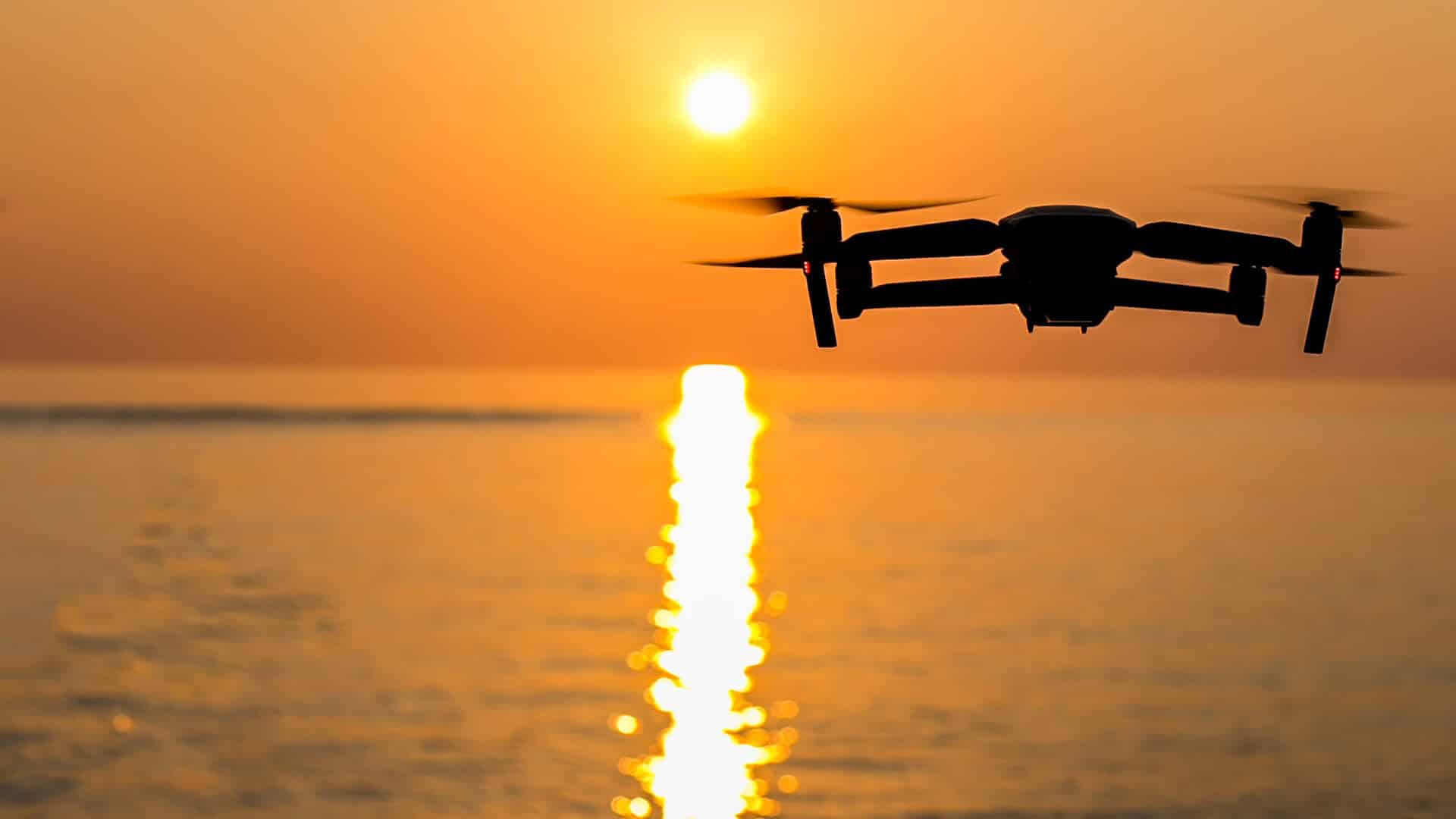
Furthermore, pilots should be knowledgeable about controlled airspace as well as how to clear it properly. Using the Low Altitude Authorization and Notification Capability (LAANC) system can streamline this process. Operators must to submit particular documents to receive authorization, which ensures all operations are conducted in compliance with permissible airspace. Being aware of the classifications of airspace and the corresponding restrictions helps operators plan their flights and maintaining compliance with FAA regulations, contributing to the broader objectives of conserving the environment.
Technical Knowledge for Enhanced UAV Efficiency
Understanding the factors that affect drone performance is essential for enhancing effectiveness in environmental initiatives. One key element is power source management. Tolerable battery deterioration must be evaluated to avoid mid-flight issues, particularly in high-stakes situations. Consistently checking battery health and knowing when to replace LiPo flight packs ensures that drone pilots operate at optimal capability, lessening the likelihood of inactivity or accidents during significant conservation missions.
When it comes to information acquisition, thermal imaging drones serve an crucial role in detecting infrastructure faults and roof moisture leaks. These drones utilize cutting-edge sensor technology to recognize heat changes, allowing conservationists to resolve issues before they become serious. Leveraging the capabilities of thermal drones can considerably assist to wildlife conservation initiatives, especially in identifying temperature anomalies in habitats that may signify larger environmental problems.
Moreover, the difference between traditional and electronic shutters in drone mapping is significant. Mechanical shutters are preferable for recording high-speed movements without blurring, whereas electronic shutters can lead to distortions. Selecting the suitable shutter type based on the task requirements can markedly boost the quality of information gathered, ultimately boosting the success of conservation methods employed.
Optimal Guidelines for Business Drone Operations
To secure effective and risk-free commercial drone flights, operators should familiarize themselves with FAA regulations, especially FAA Part 107. his response encompasses how to navigate waivers for night flying and operations over people. Proper understanding of these regulations helps drone pilots ensure compliance while expanding their operational capabilities, eventually fostering more secure and more effective flights. Additionally, pilots should prioritize acquiring the necessary documentation needed to clear controlled airspace through the Low Altitude Authorization and Notification Capability (LAANC) system, which streamlines the approval process for drone operations in busy airspaces.
Regular maintenance and calibration of drone equipment is essential for optimal performance. Drone pilots should be attentive to factors such as magnetic interference, which can affect the accuracy of compass and IMU calibrations. Understanding how to maintain and clean camera sensors and gimbal bearings will ensure high-quality imaging, which is crucial for tasks like thermal imaging and photogrammetry. Additionally, performing thorough pre-flight checks can help identify potential issues, ensuring that drones are ready for safe flight and that operators can respond effectively to any unexpected challenges during operations.
Finally, operators must keep meticulous records for commercial insurance audits and compliance purposes. Structuring a professional flight log that records flight conditions, battery life, and any anomalies can provide essential documentation for underwriting processes. It is also crucial to understand the factors that affect drone performance, such as payload weight, battery degradation, and flight telemetry data, allowing pilots to make intelligent decisions that improve safety and efficiency. By adopting these best practices, drone pilots can significantly contribute to the impact of environmental conservation efforts through their aerial operations.