

The realm of drone operation provides stimulating possibilities for artistry and innovation, regardless of whether you're looking into becoming a professional drone operator or merely seeking to improve your drone piloting skills. With the industry's ongoing evolution, comprehending the multiple rules, tools, and best practices is crucial for both ensuring conformance and prosperity. This resource aims to arm would-be drone pilots with the skills they require to maneuver through the complexities of operating in the skies, from securing essential permissions to ensuring secure flying practices.
In this thorough document, we will explore key areas that are essential for all drone pilots. We will delve into the details of Federal Aviation Administration rules, the complexities of flight strategies, and the technical aspects that can greatly influence your flying activities. If you are looking at drones for photography, mapping, or thermal inspections, understanding these aspects will enable you to create a strong base for a flourishing drone career. Let's take off into the essentials of navigating the world of drone piloting.
Navigating through Federal Aviation Administration Regulations as well as Flight Operations
Grasping the FAA's rules are crucial for new drone pilots wishing to navigate legally & legally within U.S. airspace. The FAA's Part 107 rules govern the operation of commercial drones and specify the requirements for certification, operational restrictions, along with exemptions. For illustration, drone pilots seeking to operate at night and populated areas are required to request waivers, which requires a firm grasp of safety measures and strategies for risk management. The process can be complex, but maintaining a thorough understanding of these regulations can expand your abilities while also increase your business opportunities.
Moreover, pilots should be acquainted with the particular documentation needed to navigate regulated airspace. Employing the LAANC system streamlines this task, allowing drone pilots to receive instant authorization. This system ensures that you are compliant with the limitations on airspace while planning your flight plans. Learning how to navigate the portal of LAANC is vital for preventing punishments and disruptions to your operations.
An additional essential element of safe drone operations is keeping an eye of possible magnetic issues that can influence your drone's navigation system as well as IMU settings. UAV users must be alert in identifying spaces where magnetic fields are strong, as this can cause navigation issues. Ensuring your drone properly calibrated and comprehending the principles of compass behavior will help mitigating these risks, making sure your missions are as efficient as well as dependable as you can achieve.
UAV Technology and Performance Metrics Insights
Understanding the nuances of UAV tech is essential for budding pilots seeking to enhance their abilities and knowledge. Drone Pilots Cawdor Inverness-shire is the difference between mechanical-type and electronic-type shutters in UAV surveying. Mechanical-type curtains, found in higher-end cameras, capture images without the rolling distortion, yielding sharper photographs during high-speed flights. In Drone Pilots Inverness Inverness-shire , electronic curtains may cause artifacts, particularly when photographing fast-moving subjects or during rapid maneuvers. Knowing when to apply each type of shutter can significantly enhance the caliber of UAV imagery.
Another noteworthy factor is how magnetic interference can affect your UAV's compass and inertial measurement unit calibrations. Pilots must be aware that magnetic influences from nearby buildings, power lines, or even certain types of equipment can lead to inaccurate readings, which in turn affects flight safety and wayfinding. Regular adjustment checks and knowing how to identify signs of disruption can help ensure that your UAV remains steady and reactive, keeping precise flight routes and locations.
Managing the battery is also critical to UAV performance. Pilots should monitor the condition of the battery, as certain levels of wear can lead to reduced flight duration and unsafe conditions. Understanding the thresholds of LiPo battery health before decommission is crucial for maintaining operational efficacy. Drones carrying heavier payloads or operating in challenging conditions should be afforded extra care regarding power source performance, as these factors can directly influence the overall flight operation and security of operations.
Best Recommendations for Business UAV Piloting
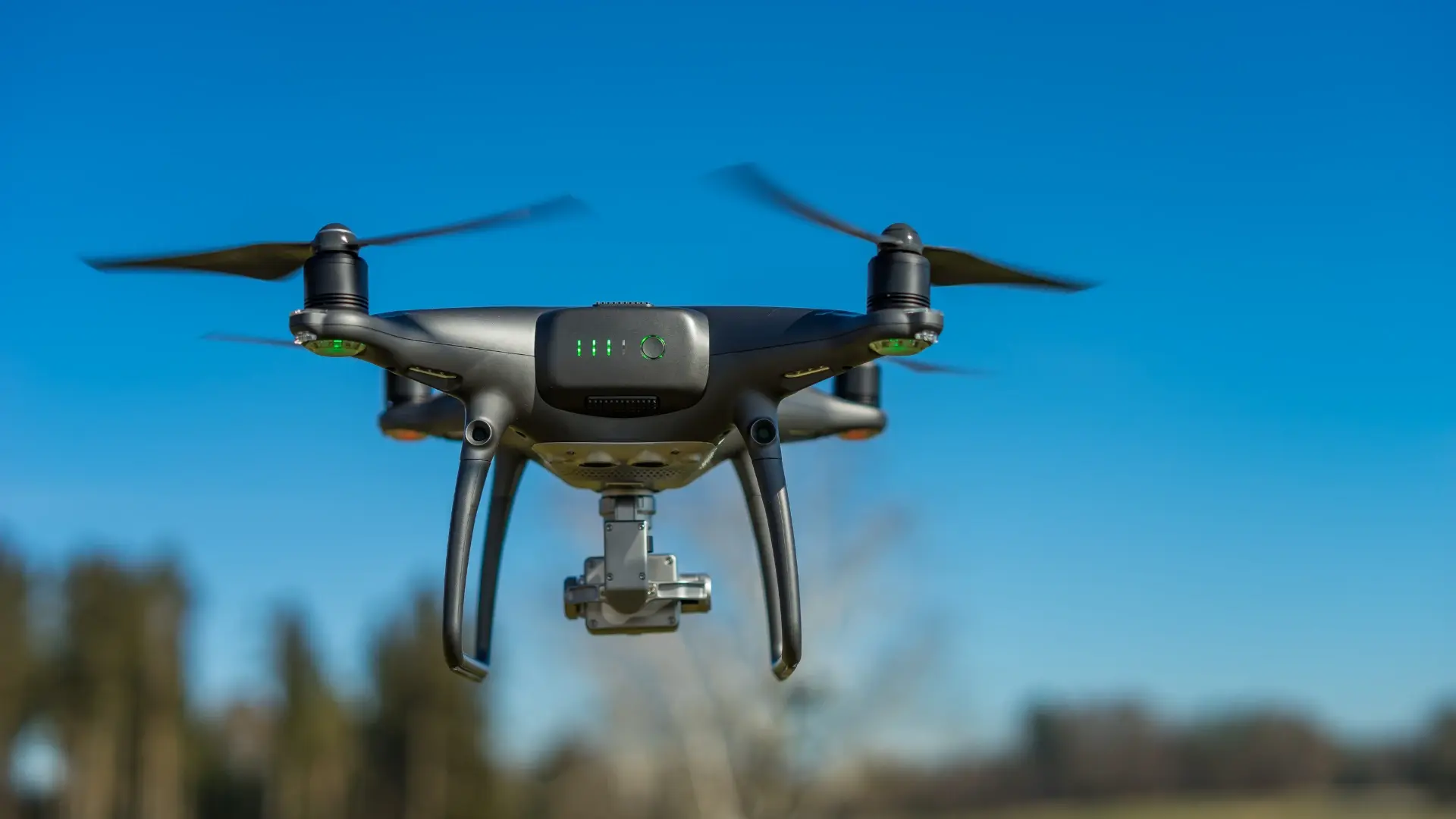
To guarantee safe and effective operations, aspiring commercial drone pilots must emphasize comprehensive pre-flight planning. This entails understanding the specific airspace regulations that apply to their operating location and securing the necessary waivers for night flights and operations over people. Knowledge with resources like the FAA’s LAANC system is important for navigating controlled airspace, and maintaining compliance with all legal requirements can greatly enhance the pilot’s credibility and operational safety.
Another key aspect of professional drone piloting is strict adherence to maintenance protocols. Regular checks and cleaning of drone components, including the camera sensors and gimbal bearings, help reduce operational malfunctions. Pilots should also conduct consistent inspections of battery health and lifecycle to ensure peak performance. Developing a organized flight log that records flight times, conditions, and any technical issues not only assists in operational efficiency but is also beneficial for commercial insurance audits.
Finally, gaining expertise in the technical aspects of drone technology can set pilots apart in a saturated field. Understanding how different drone types, such as octocopters and quadcopters, affect mapping accuracy and how factors like battery weight impact flight stability is essential. Moreover, effective communication with visual observers to maintain line of sight and using real-time telemetry data for monitoring helps mitigate accidents. By integrating these best practices, drone pilots can enhance their operational capabilities and ensure they are ready for potential challenges in commercial flying.