

In recent years, the field of unmanned aerial vehicle operation has seen a extraordinary change, changing from a specialized interest into a thriving professional career. Budding drone pilots now embark on exciting journeys, utilizing their skills for different applications including aerial photography, surveying, and even emergency response. With the fast advancements in technology and the increasing demand for aerial data, becoming successful as a drone pilot requires besides skills but also a deep understanding of regulations and innovative techniques.
Handling the difficulties of the skies involves a multitude of obstacles, from complying with FAA regulations to mastering advanced drone technologies. For case in point, knowing how to obtain waivers for night flying or operations over people can vastly expand a pilot's skills. Additionally, being knowledgeable about specific documentation, like LAANC for controlled airspace, is crucial for those looking to operate commercially. This article will examine the nuances of drone piloting today, exploring essential topics like equipment maintenance, flight planning, and professional standards to help both experienced pilots and newcomers rise to new heights in their aerial endeavors.
Steering FAA Regulations plus Exemptions
Understanding Federal Aviation Administration rules remains essential to modern unmanned aerial vehicle pilots. check this site out has established established standards which govern multiple facets of drone operations, especially for business operators. Flying under Federal Aviation Administration Part 107 provides a basis to lawful operations, outlining rules about elevation, air space classification, plus pilot licensing. However, certain operations, like night flying or operating above people, require pilots to secure exemptions. This process can appear intimidating, but armed with a comprehensive understanding of the application requirements, operators can effectively navigate the rules.
For instance, evaluating a waiver for night operations, for, operators must demonstrate they are capable of maintaining safety standards while operating in less visible conditions. This entails demonstrating proficiency in illumination plus functional techniques. Similarly, in the case of activities over crowds, the FAA mandates pilots take additional precautions to ensure security, which involves adhering to specific operational and operational standards. Through diligently compiling the necessary documentation, pilots can increase their probability of obtaining the waivers, allowing them to expand their operational abilities.
A crucial part of navigating Federal Aviation Administration regulations is guaranteeing compliance beyond just obtaining waivers. Such a encompasses grasping the particular documentation needed for navigating regulated air space, such as utilizing the LAANC platform. This resource allows UAV operators to get rapid approvals for flying in controlled air space, simplifying the process greatly. A strong understanding of such rules and tools not just helps operators uphold lawful operations but also enhances the professionalism and dependability of their business in an increasingly competitive market.
UAV Technology and Care Insights
Comprehending the intricacies of drone technology is crucial for contemporary drone pilots. Drone Pilots Barra Inverness-shire entails awareness about the distinctions between mechanical and digital shutters, especially in drone surveying scenarios. Pilots should be conscious that mechanical curtains minimize warp shutter effects, thereby providing sharper images, which is crucial when accuracy is required in mapping and surveying. Digital curtains, while silent and lighter, can introduce distortions in fast-moving subjects and bright lighting environments. Selecting the correct shutter type can significantly affect the quality of collected data during drone flights.
A further factor is battery care and understanding of acceptable degradation levels for LiPo flight batteries. Over time, power sources can diminish their effectiveness, impacting flight times and safety. Pilots should check battery condition frequently, replacing packs that show excessive wear to ensure peak performance. This vigilance is especially important for professional pilots who depend on consistent battery performance for satisfactory operational outcomes. Ignoring battery degradation can lead to unforeseen failures and potentially dangerous situations during flight.
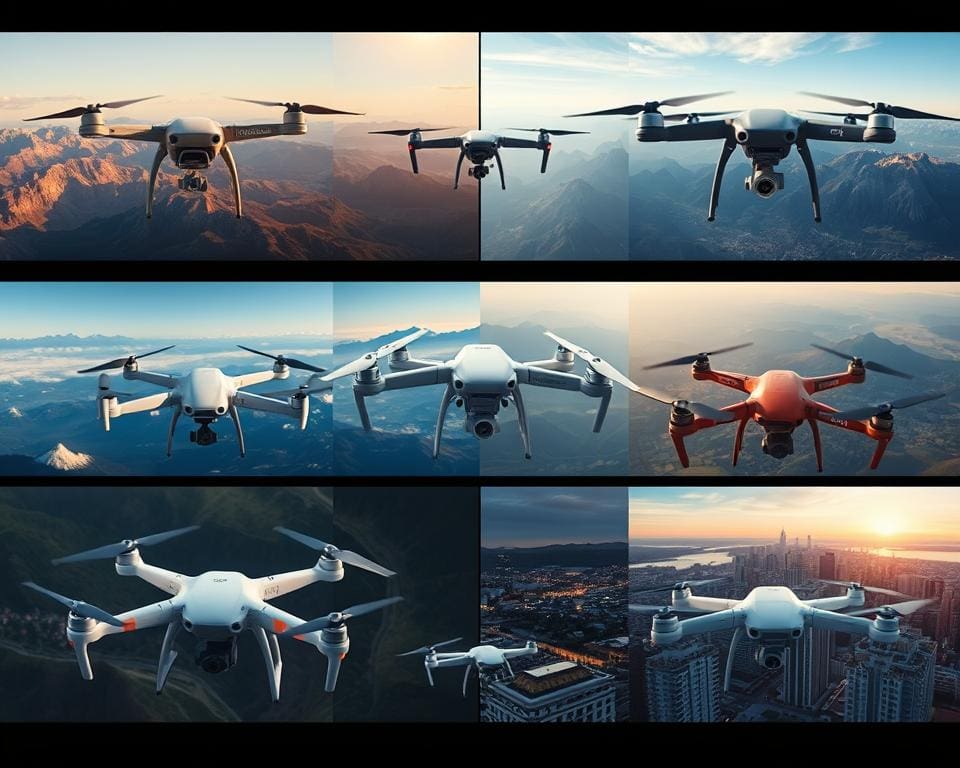
Care of the drone's camera sensors and gimbal bearings is just as important. Regular cleaning helps maintain image quality and ensures the gimbal operates smoothly, enabling stable footage capture. The accumulation of dust or particles can lead to sensor malfunctions and affect gimbal functionality. Creating a routine care schedule will help pilots prevent potential issues, enhancing gear longevity and reliability. Highlighting these elements of drone technology and maintenance can greatly contribute to the professionalism and flight safety of a drone operator.
Business Operations and Coverage Considerations
When engaging in commercial unmanned aerial vehicle operations, understanding the nuances of insurance insurance is crucial. Drone insurers typically consider several factors when evaluating a commercial liability policy. These factors can consist of the operator's expertise, the kind of operations being conducted, and the UAV's specific capabilities. Additionally, insurance providers may take into account the operator's adherence to FAA regulations, including obtaining the necessary certifications and maintaining a good safety. Ensuring all these elements are in order can lead to improved insurance choices and more favorable rates.
Documentation becomes important during these activities, especially when it comes to creating actionable documentation for insurance audits. One crucial aspect is structuring a professional flight record. This record should detail the flights times, locations, any events that occurred, and maintenance performed on the UAV. Such documentation not only proves due care but also establishes a solid foundation for any claims that may arise. A thorough and well-structured log can significantly impact the overall assessment during an audit.
Furthermore, being updated with market standards is vital for functioning successfully within business spaces. This includes knowing how to navigate Federal Aviation Administration Part 107 waivers, which may be necessary for evening flying or operations over people. Understanding these regulatory nuances allows drone operators to operate within the law while minimizing exposure. By being proactive in both documentation and compliance, UAV pilots can successfully safeguard their activities, ensuring long-term development in their commercial ventures.